
If You Drive for Uber, Lyft, or DoorDash — Your Personal Insurance Probably Does Not Cover You While You Work.
Most Florida gig drivers find this out after an accident. This page exists so you find out before.
Takes 2 minutes. Free. No pressure. Just information you need to have.


Takes 2 minutes. Free. No pressure. Just information you need to have.
When you accepted a gig platform's terms of service, you agreed to something most drivers never read carefully: the platform's insurance coverage has significant gaps depending on what stage of a trip you are in.
And your personal insurance carrier? When they find out you were driving for hire at the time of an accident, most standard personal policies have a commercial use exclusion that allows them to deny the claim entirely.
This is not a rare edge case. Florida gig drivers file claims after accidents every week and discover — at the worst possible moment — that neither their personal policy nor the platform's coverage applies to their specific situation.
The good news is this is a completely solvable problem. But it requires understanding what the actual gap is before you can fill it.
The Three Coverage Periods Every
Gig Driver Needs to Understand
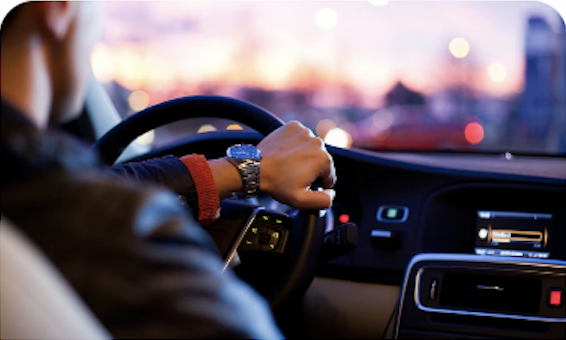
App On — No Ride or Delivery Accepted Yet
You have turned on the Uber, Lyft, or DoorDash app and you are waiting for a request. You are available but not yet on a trip. This is the most dangerous coverage gap in the entire gig insurance picture.
Your personal insurance: Most policies exclude this period entirely — commercial use exclusion applies the moment the app is on. Platform insurance: Uber and Lyft provide only limited liability coverage during Period 1 — typically $50,000 per person and $100,000 per accident. DoorDash provides no coverage at all during Period 1. Your collision and comprehensive coverage: Not covered by the platform. Your personal policy may deny the claim.
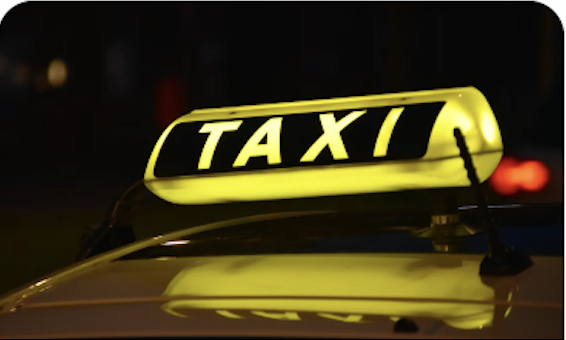
Ride or Delivery Accepted — En Route to Pickup
You have accepted a request and you are driving to pick up the passenger or the order. The trip has started on the platform's side but the customer is not yet in your car or the food is not yet picked up.
Platform insurance: Uber and Lyft provide $1 million in liability coverage starting in Period 2. DoorDash provides contingent coverage. Contingent coverage sounds good — it means the platform's insurance applies only if your personal insurer denies the claim first. Your personal insurance: Still likely excluded under commercial use. The practical result: liability may be covered, but collision and comprehensive coverage is still a gap for many drivers.
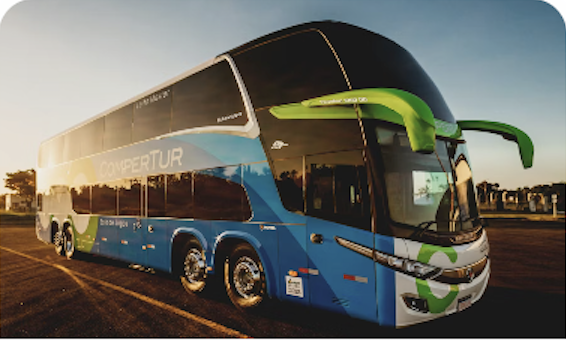
Passenger in Car or Delivery in Progress
The passenger is in your vehicle or you have picked up the delivery and are en route to the customer. This is the period most people assume is covered — and it is the most covered of the three periods.
Platform insurance: Uber and Lyft provide $1 million in liability coverage. Comprehensive and collision coverage through the platform is available — but only if you also carry comprehensive and collision on your personal policy. If you dropped collision to save money, the platform's collision coverage does not apply. DoorDash: Contingent collision and comprehensive available with a $2,500 deductible.
Most gig drivers have never seen this breakdown. Period 1 is where most uninsured accident losses happen.
What Happens When a Gig Driver Files a Claim Without the Right Coverage
What Happens When a Gig Driver
Files a Claim Without the Right Coverage

Scenario 1
Accident During Period 1 — App On, No Active Ride
A Florida DoorDash driver is waiting for a delivery request when another driver runs a red light and hits them. Damage is $14,000. DoorDash provides zero coverage during Period 1. The driver's personal policy denies the claim citing commercial use exclusion. The driver pays out of pocket.
Scenario 2
Personal Policy Canceled After Undisclosed Commercial Use
An Uber driver in Tampa files a claim after a collision during an active ride. During the claims investigation, the personal carrier discovers the vehicle has been used for rideshare without disclosure. The carrier rescinds the policy. The driver faces both the claim costs and a policy cancellation on their record.
Scenario 3
Platform Collision Coverage Does Not Apply
A Lyft driver drops collision coverage from their personal policy to reduce their monthly premium. During Period 3 with a passenger in the car, they are involved in an at-fault accident. Lyft's collision coverage requires the driver to also carry collision on their personal policy. The driver's car is totaled. No collision coverage applies.
Not Sure If Your Coverage Has a Gap?
A Swan City agent who specializes in Florida gig driver coverage will review your
current policy structure and tell you exactly what is and is not covered — for free, in
one call.
Or download the Gig Driver Coverage Gap Guide first
What Properly Structured Gig Driver Coverage in Florida Looks Like
Not more insurance. The right insurance for how you actually work.

Start With Your Personal Policy
Your personal auto policy is the foundation. It needs to know you drive for a gig platform — full stop. Many carriers offer a rideshare endorsement that extends your personal policy to cover Period 1 gaps for approximately $15 to $30 per month. This is the most cost-effective fix for most single-platform drivers.

Match Your Coverage to Your Platforms
Different platforms have different coverage structures. A driver who only does DoorDash has a fundamentally different gap profile than a driver who does Uber and DoorDash simultaneously. The right coverage structure depends on which platforms you use, how many hours per week you drive, and whether you carry collision on your personal policy.
Verify Every Period Is Covered
The goal is no gap across all three periods for every platform you drive for. Once the right structure is in place, you drive knowing exactly what is covered at every stage of every shift. Most Florida gig drivers get to this point in one 20-minute conversation.
What Fixing This Actually Costs
Most gig drivers expect this to be expensive. It usually is not.
Typical monthly cost of a rideshare endorsement added to an existing Florida personal auto policy — less than most drivers spend on coffee per week.
Average time for a Swan City agent to review a gig driver's current coverage and identify exactly what needs to change.
Cost of the coverage review. Free. No commitment. No pressure. Just the information you need to drive knowing you are covered.
Florida Gig Drivers Who Got Their Coverage
Right With Swan City

"Loved everything so far"
"I had been driving for Uber for two years and had no idea about the Period 1 gap. Swan City explained the whole thing in plain terms, added a rideshare endorsement to my existing policy, and my monthly payment went up $22. That is nothing compared to what I was exposed to."
Jordan T., Orlando


"My life changed forever"
"I drive for DoorDash and Instacart at the same time sometimes. Turns out each platform has different coverage rules. Swan City built a policy structure that covers all of it. One call, done."
Priya M., Tampa

"Highly recommend this"
"My personal carrier did not even offer rideshare coverage. Swan City moved me to a carrier that does and my overall rate actually went down because the new carrier was more competitive on my base rate anyway."
Carlos R., Jacksonville